Companion Herbs That Will Make Your Basil Thrive
Companion Herbs That Will Make Your Basil Thrive
Basil is a delicious and versatile herb that can be used in a variety of dishes. It is also relatively easy to grow, but there are a few things you can do to help it thrive. One of the best ways to do this is to plant it near companion herbs.
Companion planting is a gardening technique that involves planting certain plants together in order to benefit each other. Some plants attract beneficial insects, while others deter pests. Some improve the flavor of other plants, while others help to promote growth.
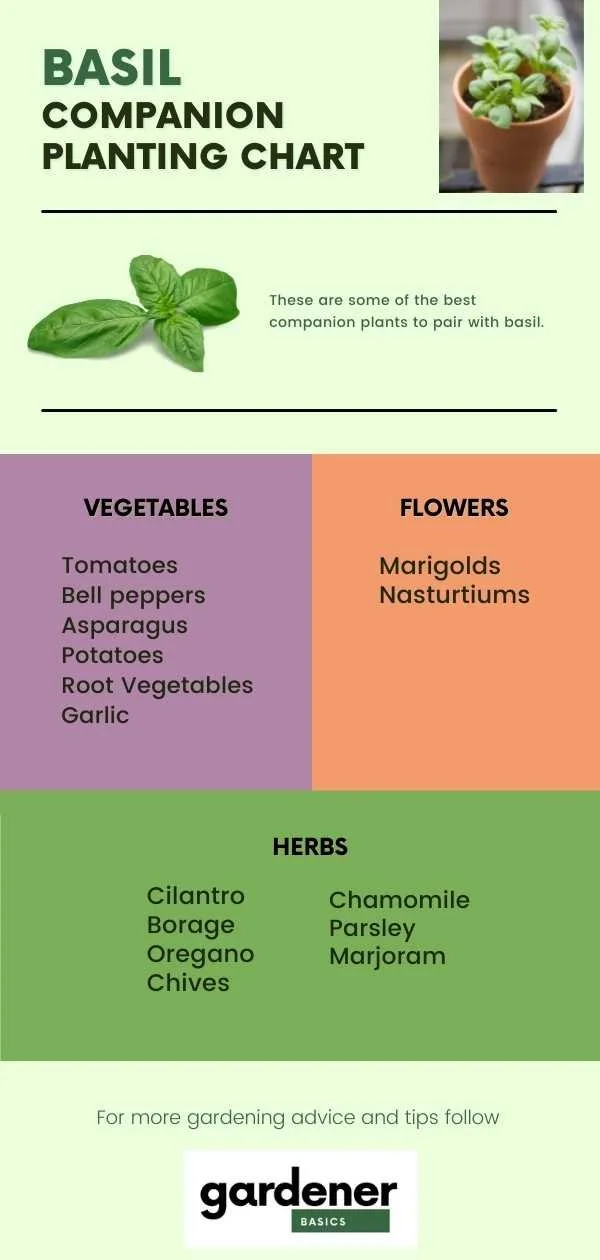
When it comes to basil, there are a number of companion herbs that can help it to thrive. Here are a few of the best:
- Marigolds: Marigolds are known for their insect-repelling properties. They can help to keep away aphids, beetles, and other pests that can damage basil plants.
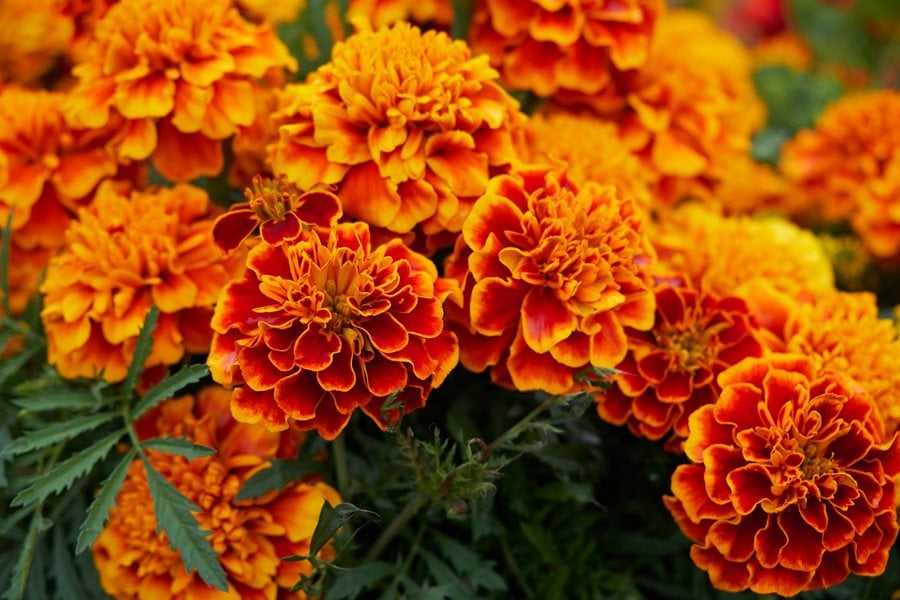
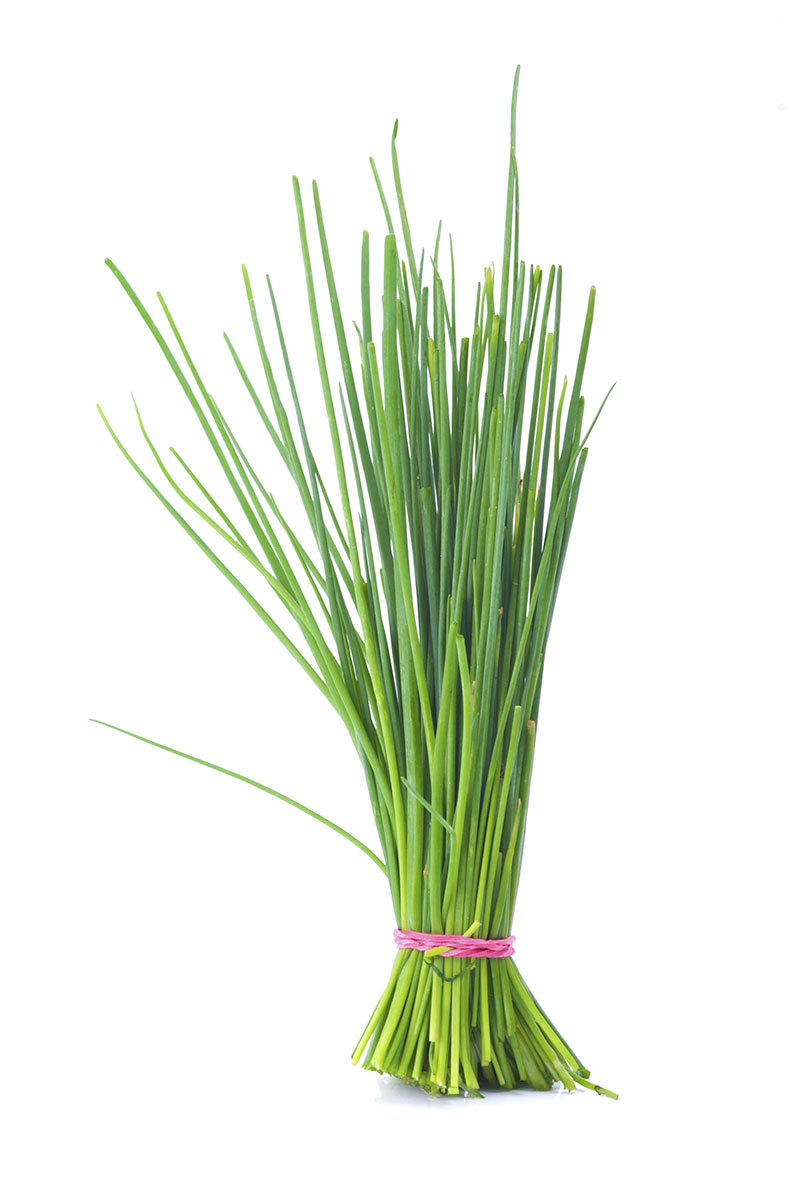
- Chives: Chives release a sulfurous compound that helps to deter pests. They also improve the flavor of basil, making it more flavorful and aromatic.
- Cilantro: Cilantro and basil are both members of the mint family, and they benefit each other in a number of ways. Cilantro helps to repel pests, while basil helps to improve the flavor of cilantro.
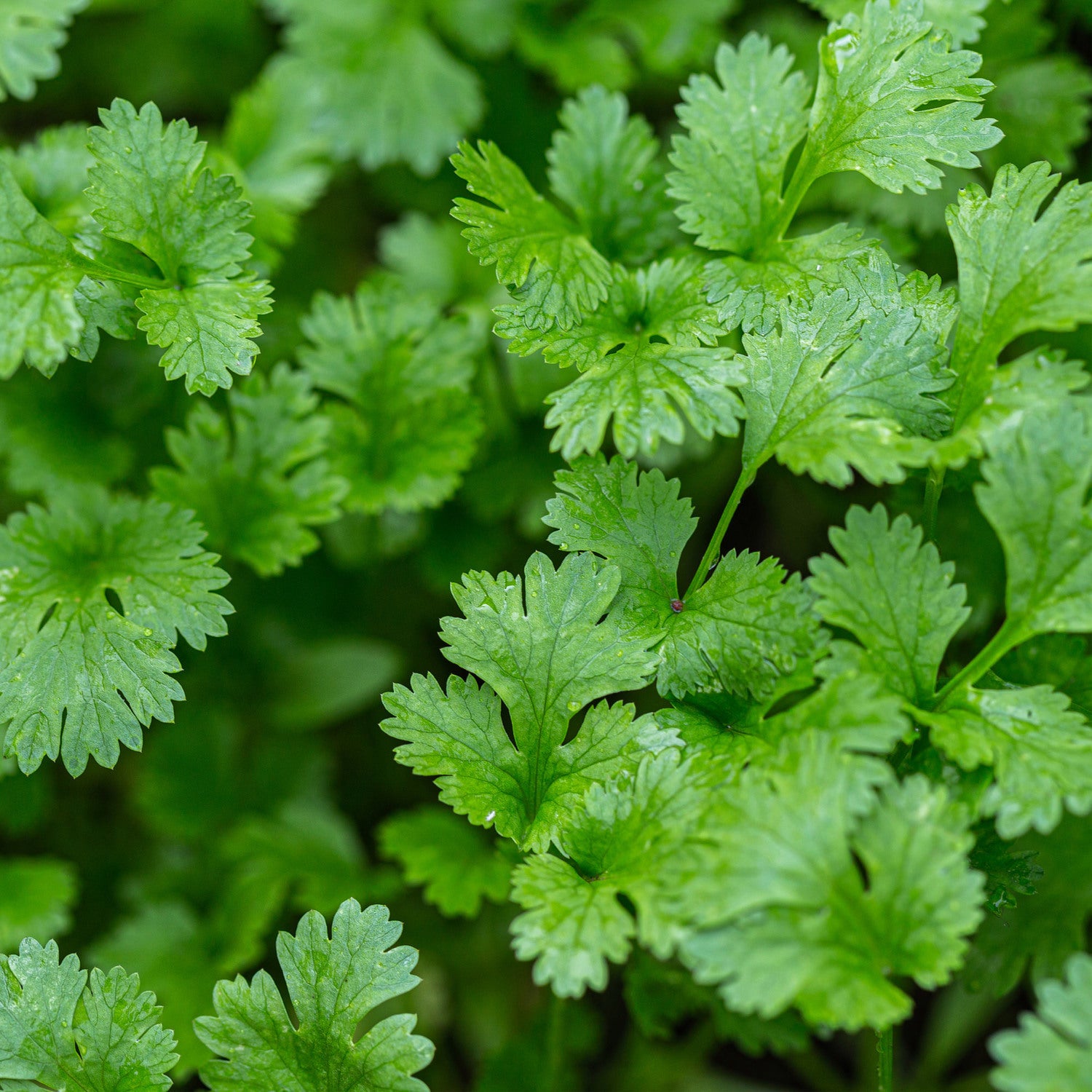
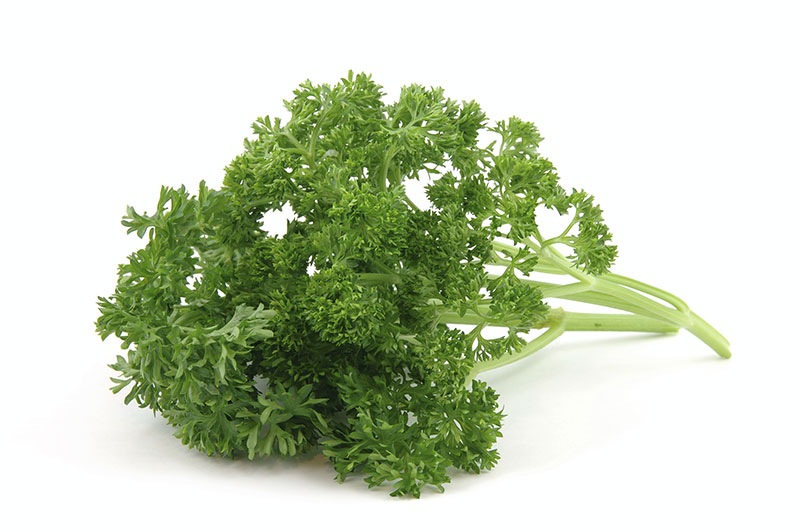
- Parsley: Parsley is another herb that can help to improve the flavor of basil. It also helps to attract beneficial insects, such as ladybugs and hoverflies, which can help to control pests.

- Oregano: Oregano and basil are both strong-flavored herbs that can be used to flavor a variety of dishes. They also help to repel pests and attract beneficial insects.
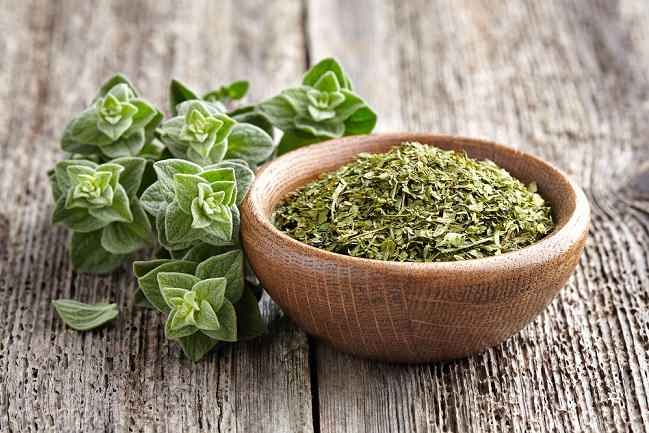
- Borage: Borage is a flowering herb that is known for its insect-repelling properties. It can help to keep away aphids, cabbage loopers, and other pests. Borage also attracts beneficial insects, such as bees and butterflies.
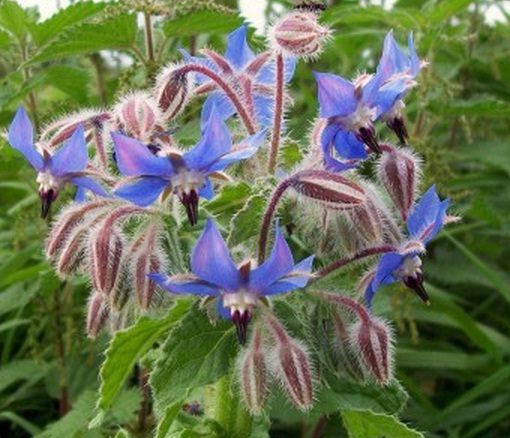
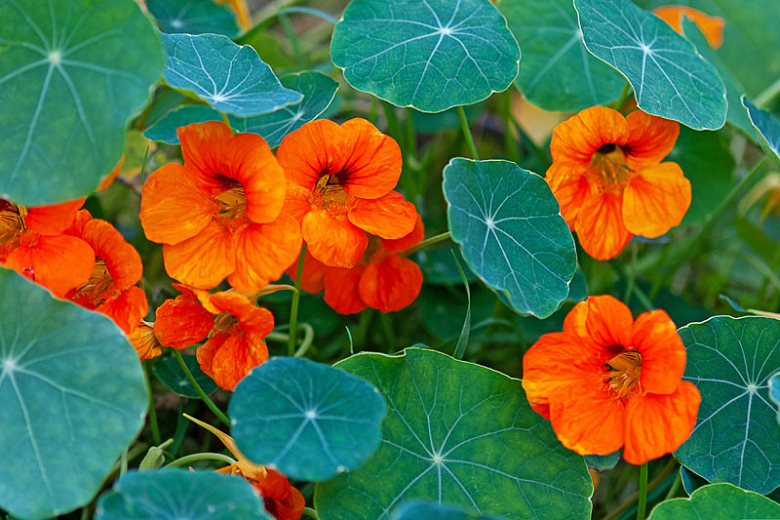
- Nasturtiums: Nasturtiums are another flowering herb that can help to repel pests. They are especially effective against aphids. Nasturtiums also add a splash of color to the garden, and their edible flowers can be used in salads and other dishes.
These are just a few of the many companion herbs that can help your basil thrive. When choosing companion plants, it is important to consider the growing conditions of each plant. Make sure that they have similar light, water, and soil requirements. You should also avoid planting basil near plants that are susceptible to the same pests and diseases.
With a little planning, you can create a thriving herb garden that includes basil and its many companion plants. This will help to ensure that your basil plants are healthy and productive, and that you have a bountiful harvest to enjoy all season long.
Basil is a delicious and versatile herb that can be used in a variety of dishes. But did you know that planting basil near certain other herbs can actually enhance its flavor and help to keep it pest-free?
Here are a few of the best companion herbs for basil:
- Oregano: This herb is known for its strong, pungent flavor, which can help to mask the bitterness of basil. Oregano also attracts beneficial insects that help to control pests. Gardenia Inspiration
- Chives: These herbs release a chemical that repels aphids, which are one of the most common pests that attack basil. Chives also add a mild onion flavor to dishes, which can complement the taste of basil. Gardenia Inspiration
- Chamomile: This herb is not only beautiful to look at, but it also helps to improve the flavor of basil and protect it from pests. Chamomile releases a chemical that repels mosquitoes, which can be a nuisance when you're trying to enjoy your basil plants outdoors. Gardenia Inspiration
If you're looking to grow the most flavorful and pest-free basil possible, I recommend planting it near some of these companion herbs. For more information about companion planting, visit Gardenia Inspiration.
FAQ of companion herbs for basil
- What are the best companion herbs for basil?
Some of the best companion herbs for basil include:
- Oregano: Oregano is a natural pest repellent that can help to protect basil from aphids, spider mites, and other insects. It also helps to improve the flavor of basil.
- Chives: Chives are another natural pest repellent that can help to protect basil from aphids, mosquitoes, and other insects. They also help to improve the flavor of basil.
- Chamomile: Chamomile is a flowering herb that can help to improve the flavor of basil and make it more resistant to pests. It also attracts beneficial insects that help to control pests.
- Parsley: Parsley is a common herb that can help to improve the flavor of basil and make it more resistant to pests. It also attracts beneficial insects that help to control pests.
- Marigolds: Marigolds are brightly colored flowers that can help to repel nematodes, which are harmful pests that can attack basil plants. They also help to improve the drainage of the soil around basil plants.

- What plants should I avoid planting near basil?
Some plants that you should avoid planting near basil include:
- Cucumbers: Cucumbers and basil compete for the same nutrients, so planting them together can stunt the growth of both plants.
- Fennel: Fennel and basil have similar growing requirements, so planting them together can lead to disease.
- Thyme: Thyme and basil produce different volatile oils that can react with each other, making the basil taste bitter.
- Common rue: Common rue is a poisonous plant that can be harmful to humans and animals.
- Sage: Sage and basil have similar growing requirements, so planting them together can lead to disease.
- How do companion herbs help basil?
Companion herbs can help basil in a number of ways, including:
- Attracting beneficial insects: Some companion herbs, such as marigolds and chamomile, attract beneficial insects that help to control pests that attack basil plants.
- Reducing stress: Some companion herbs, such as oregano and parsley, can help to reduce stress in basil plants, making them more resistant to pests and diseases.
- Improving flavor: Some companion herbs, such as chives and basil, can help to improve the flavor of each other.
- Providing nutrients: Some companion herbs, such as tomatoes and peppers, can provide nutrients that basil plants need to grow and thrive.
- What is the best way to plant companion herbs with basil?
The best way to plant companion herbs with basil is to plant them in the same bed or container. When planting them in a bed, space the plants about 12 inches apart. When planting them in a container, choose a container that is large enough for the mature size of the plants.
- How often should I water companion herbs with basil?
Companion herbs and basil need about the same amount of water. Water the plants regularly, especially during hot, dry weather. Water deeply so that the water reaches the roots of the plants.
Image of companion herbs for basil
Here are 5 images of companion herbs for basil:
- Asparagus. Asparagus and basil are both known to attract beneficial insects, such as ladybugs, which help to control pests.
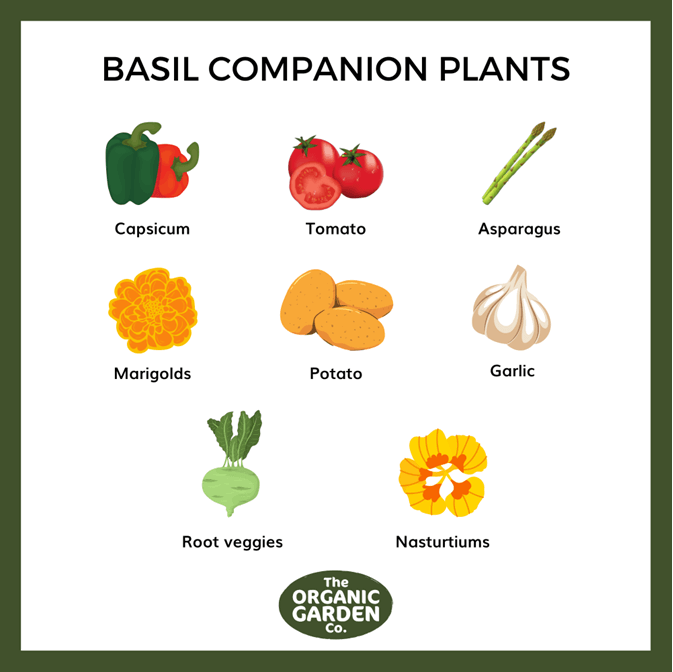
- Borage. Borage is a flowering plant that is known to attract bees and other pollinators. It can also help to repel pests, such as aphids and spider mites.
- Chamomile, oregano, and chives. These herbs all have strong scents that can help to deter pests. They can also be used to make teas and other herbal remedies.
- Marigolds. Marigolds are another flowering plant that is known to attract beneficial insects and repel pests. They can also help to improve the drainage and aeration of the soil around basil plants.
- Peppers. Peppers and basil are both members of the nightshade family, and they can benefit from being planted together. Peppers can help to deter pests from basil plants, and basil can help to improve the flavor of peppers.



Post a Comment for " Companion Herbs That Will Make Your Basil Thrive"