Types Of Juniper Bushes: Which One Is Right For You
Junipers are a diverse group of evergreen coniferous shrubs and trees that are native to many parts of the world. They are known for their adaptability to a wide range of growing conditions, their attractive foliage, and their fragrant berries.
There are many different types of junipers, each with its own unique appearance and growth habit. Some junipers are tall and upright, while others are low-growing and spreading. Some have blue-green foliage, while others are yellow or gold. And some junipers even have fragrant berries that can be used to make gin.
With so many different types of junipers to choose from, there is sure to be one that is perfect for your landscape. Here is a brief overview of some of the most popular types of juniper bushes:
- Blue Spruce juniper (Juniperus squamata 'Blue Spruce'): This juniper has a narrow, columnar growth habit and blue-green foliage. It is a popular choice for use as a privacy hedge or accent plant.
- Gold Cone juniper (Juniperus communis 'Gold Cone'): This juniper has a slow-growing, conical growth habit and gold-tipped foliage. It is a good choice for use in rock gardens or as a groundcover.
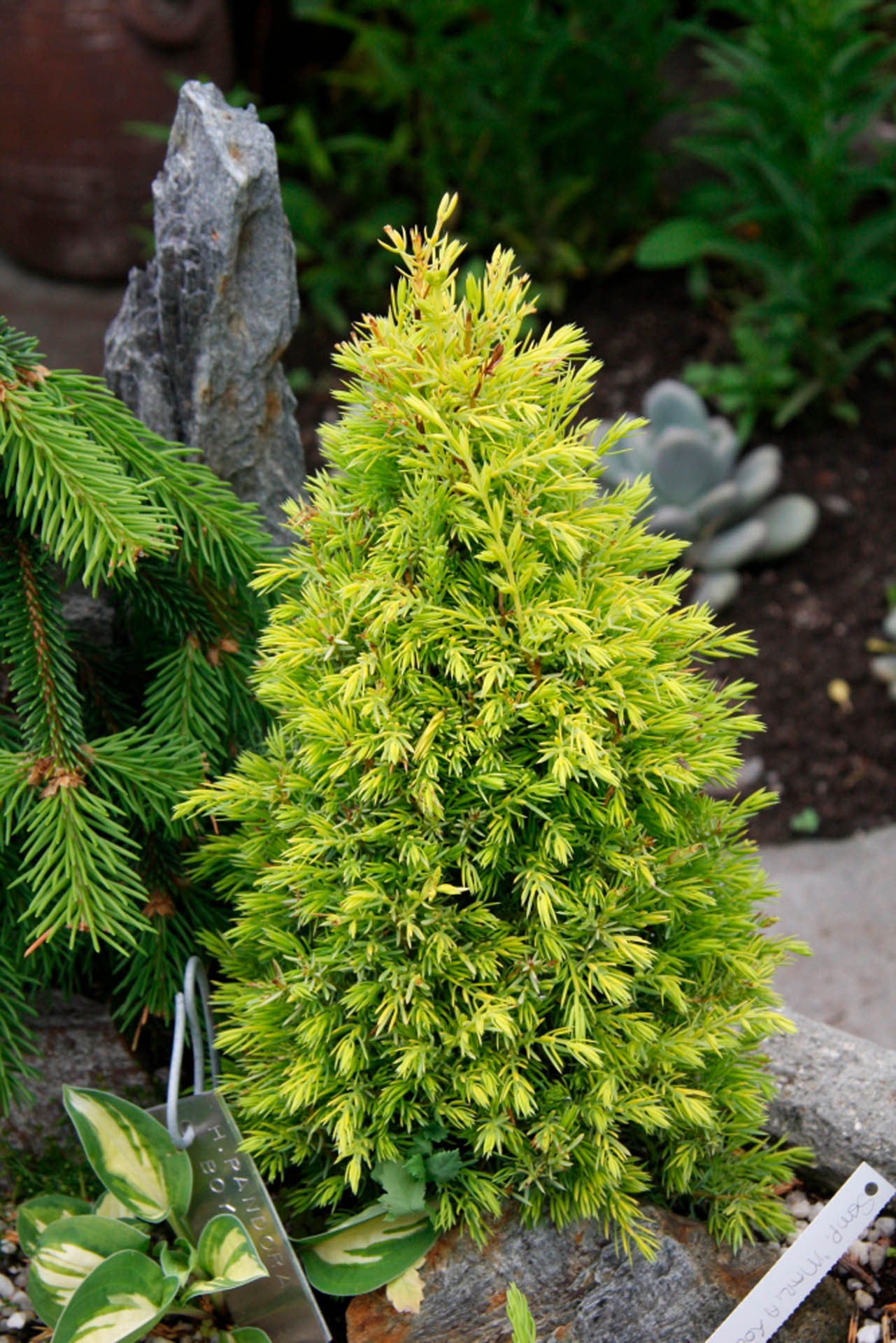
- Oblonga Pendula juniper (Juniperus communis 'Oblonga Pendula'): This juniper has a weeping growth habit and green foliage. It is a good choice for use as a specimen plant or in a hanging basket.

- Daub's Frosted juniper (Juniperus chinensis 'Daub's Frosted'): This juniper has a low-growing, spreading growth habit and two-toned foliage. It is a good choice for use as a groundcover or in a rock garden.
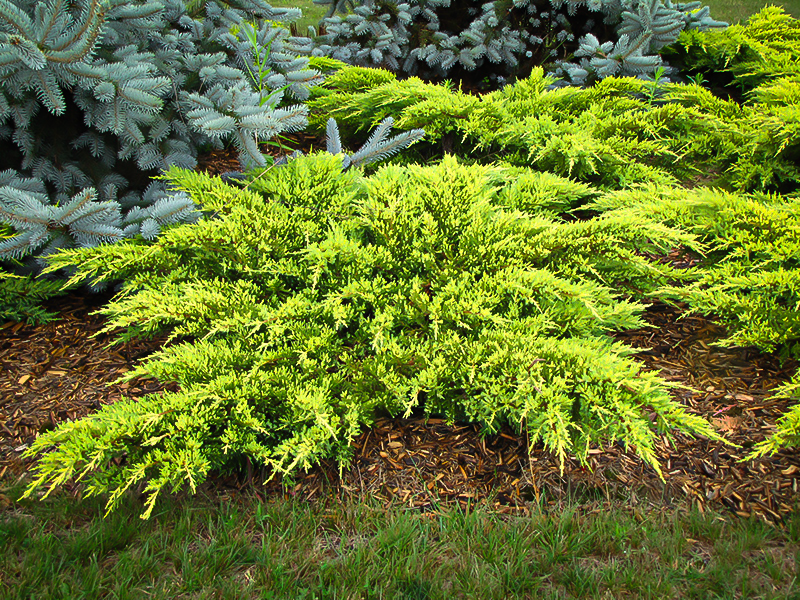
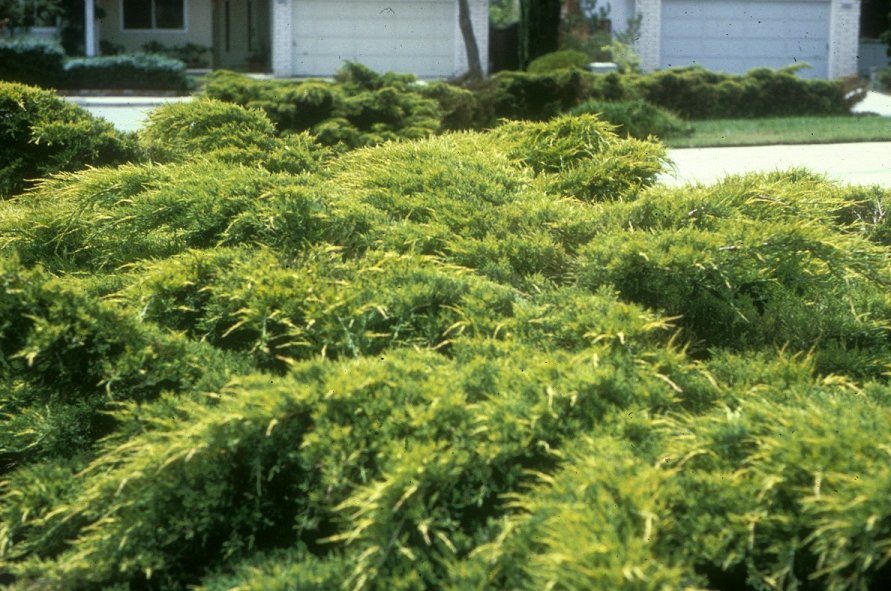
- Lime Glow juniper (Juniperus horizontalis 'Lime Glow'): This juniper has a low-growing, spreading growth habit and lime-yellow foliage. It is a good choice for use as a groundcover or in a rock garden.
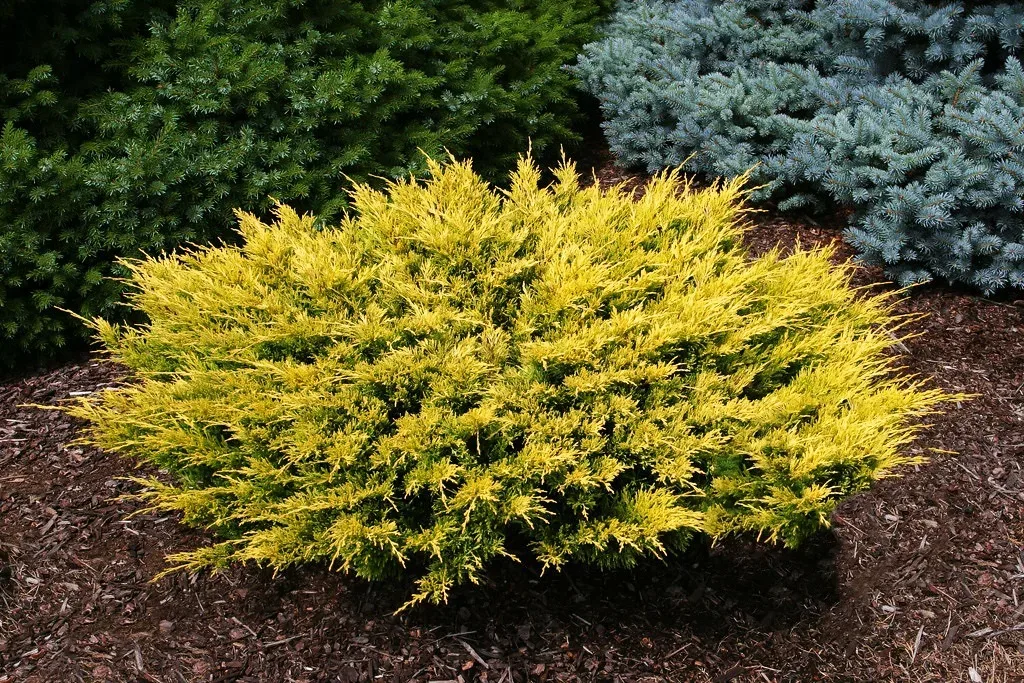

These are just a few of the many different types of juniper bushes that are available. When choosing a juniper for your landscape, it is important to consider the following factors:
- Growing conditions: Junipers are adaptable to a wide range of growing conditions, but they do best in full sun and well-drained soil.
- Size and shape: Choose a juniper that will fit the space you have available. Some junipers grow very large, while others are more compact.
- Color: Junipers come in a variety of colors, so you can choose one that will complement the other plants in your landscape.
- Fragrance: Some junipers have fragrant berries that can be used to make gin. If you are interested in this, be sure to choose a fragrant variety.
With so many different types of juniper bushes to choose from, you are sure to find one that is perfect for your landscape. So do some research and find the juniper that is right for you!
To learn more about the different types of juniper bushes, visit Garden Wiki.
FAQ of juniper bush types
- What are the most common types of juniper bushes?
There are over 60 species of juniper, but the most common types include:
Eastern red cedar: This is a fast-growing shrub or small tree that is native to eastern North America. It has a spreading habit and can reach heights of up to 30 feet.
Western juniper: This is a drought-tolerant shrub or tree that is native to western North America. It has a columnar or spreading habit and can reach heights of up to 60 feet.
Scotch juniper: This is a slow-growing evergreen shrub that is native to Europe and Asia. It has a spreading habit and can reach heights of up to 10 feet.
Creeping juniper: This is a low-growing evergreen shrub that is native to North America. It has a spreading habit and can reach heights of only a few inches.
What is the most popular juniper?
The most popular juniper is the Spartan juniper. This is a fast-growing, upright juniper that is known for its blue-green foliage. It is a popular choice for landscaping and is also used as a hedging plant.
- Where are juniper trees most common?
Juniper trees are most common in the Northern Hemisphere, but they can also be found in some parts of the Southern Hemisphere. They are typically found in dry, mountainous areas, but they can also be found in moist, coastal areas.
- What are the benefits of juniper bushes?
Juniper bushes have many benefits, including:
They are drought-tolerant and can survive in harsh conditions.
They are evergreen, so they provide year-round interest.
They have attractive foliage, which can come in a variety of colors, including blue, green, and yellow.
They are fragrant, and their berries can be used to make gin.
How to care for juniper bushes?
Juniper bushes are relatively easy to care for. They need full sun and well-drained soil. They should be watered deeply during the summer months, but they should not be overwatered. They should be pruned in the spring or fall to maintain their shape.
Image of juniper bush types
- Juniperus horizontalis, commonly known as creeping juniper, is a low-growing shrub with spreading branches. It is hardy in USDA zones 3-9 and can be used as a groundcover or border plant.
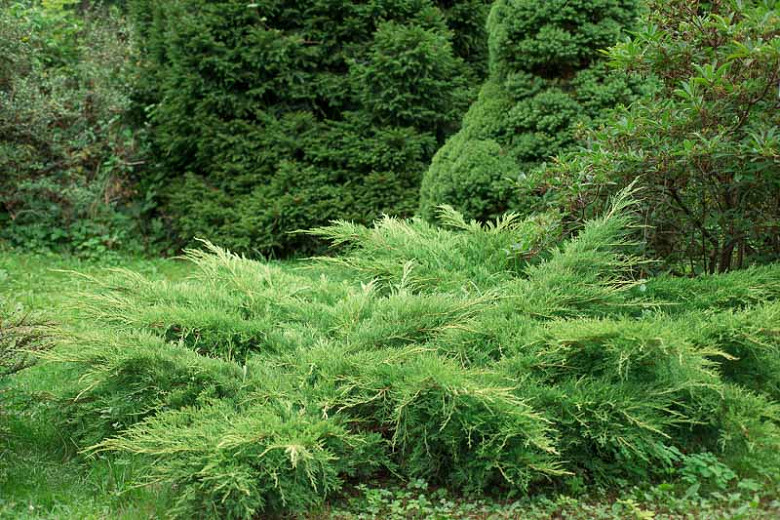
- Juniperus scopulorum, also known as Rocky Mountain juniper, is a tall, upright shrub or small tree. It is hardy in USDA zones 2-7 and can be used as a specimen plant or in hedges.
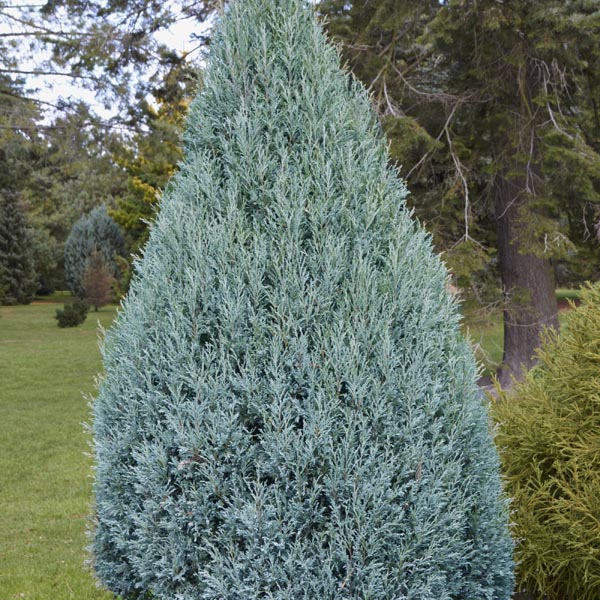
- Juniperus communis, also known as common juniper, is a hardy shrub that can grow in a variety of conditions. It is native to Europe, Asia, and North America and is hardy in USDA zones 2-8.
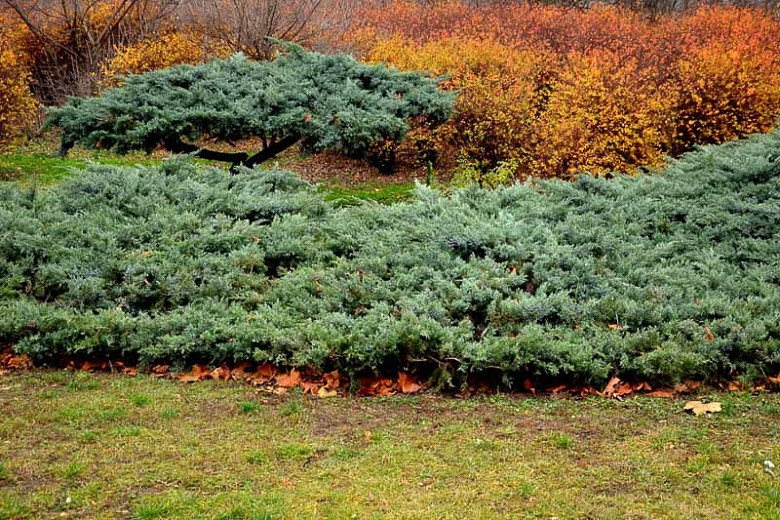
- Juniperus virginiana, also known as eastern red cedar, is a tall, upright shrub or small tree. It is hardy in USDA zones 3-9 and can be used as a specimen plant or in hedges.

- Juniperus squamata, also known as Chinese juniper, is a low-growing shrub with spreading branches. It is hardy in USDA zones 4-8 and can be used as a groundcover or border plant.
- Juniperus procumbens, also known as Japanese juniper, is a low-growing shrub with spreading branches. It is hardy in USDA zones 5-8 and can be used as a groundcover or bonsai plant.
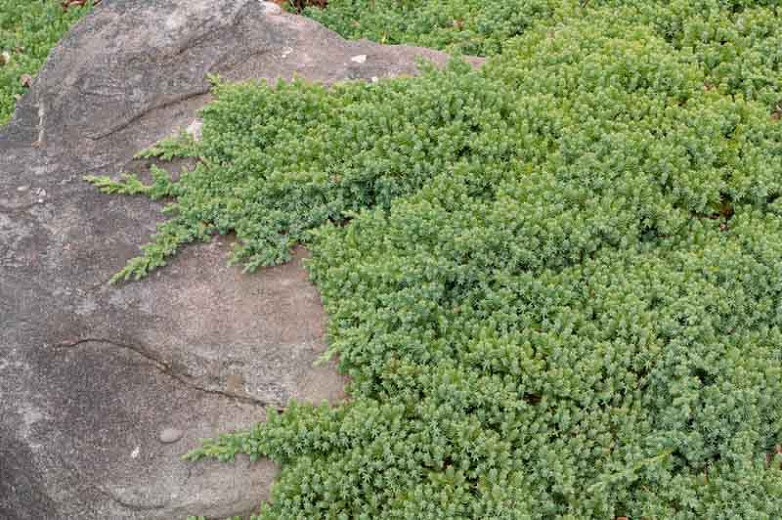
- Juniperus sabina, also known as savin juniper, is a tall, upright shrub or small tree. It is hardy in USDA zones 3-9 and can be used as a specimen plant or in hedges.

- Juniperus scopulorum 'Blue Arrow' is a cultivar of Rocky Mountain juniper that has blue-green foliage. It is hardy in USDA zones 2-7 and can be used as a specimen plant or in hedges.

- Juniperus chinensis 'Pfitzeriana Aurea' is a cultivar of Chinese juniper that has golden yellow foliage. It is hardy in USDA zones 4-8 and can be used as a specimen plant or in hedges.


Post a Comment for " Types Of Juniper Bushes: Which One Is Right For You"